SHSID GT Racing · 2025—2026 Season
One team.
Five Systems.
GT Racing is a student-run engineering organization founded in 2017. Race Team, Engineering, R&D, Management & Business, and Design & PR work as one loop: observe, build, test, fund, explain, and teach.
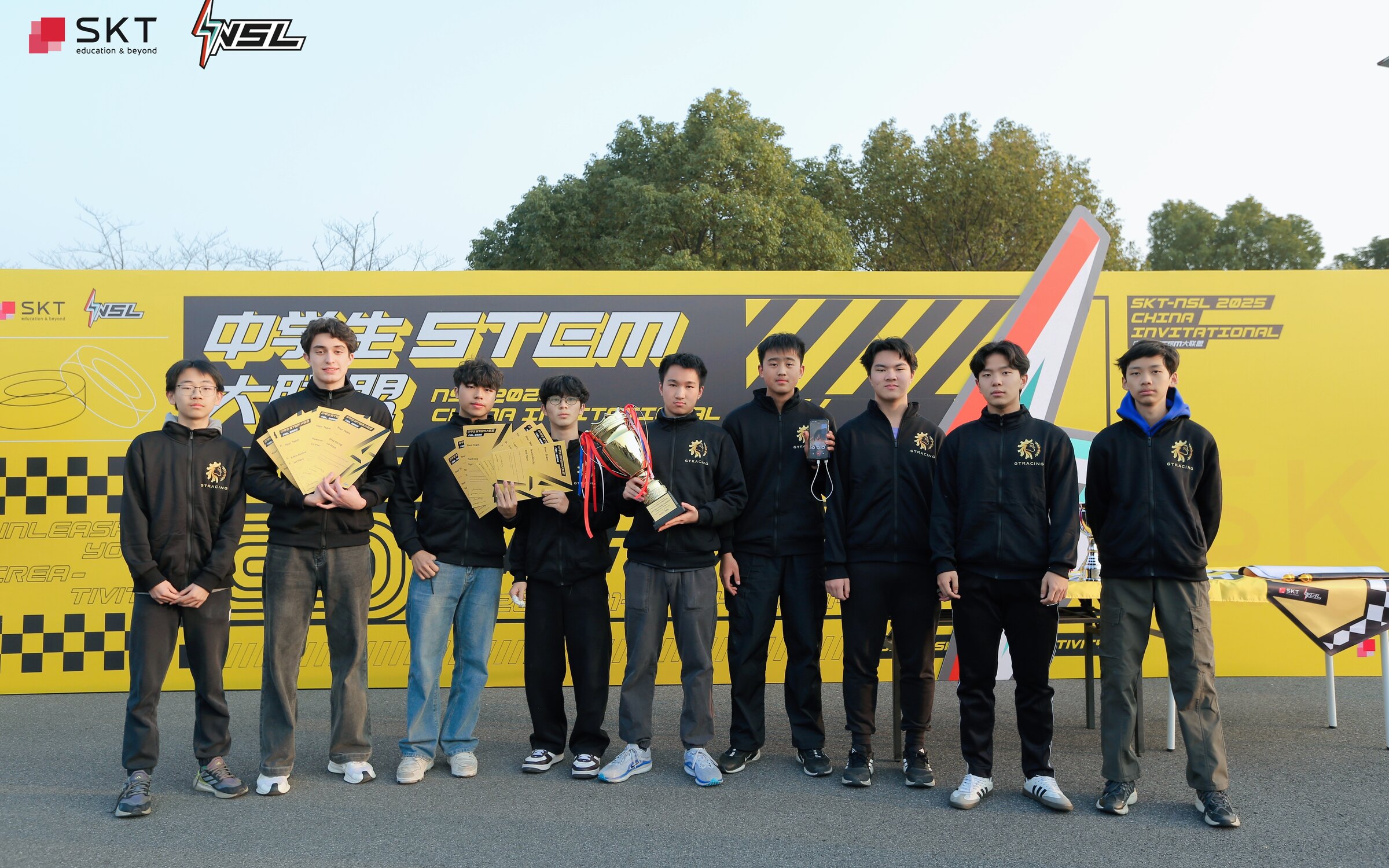
Competition gives us a deadline. The mission is larger.
Founded in 2017 by Gabriel Zhang, GT Racing has grown into one of SHSID's largest STEM organizations. The club's 2025–26 business presentation records three consecutive NSL China championships and the 2025 Ten80 Racing Challenge Grand Championship.
Those results matter because competition makes the work concrete: the car either runs, survives, and performs, or it does not. But the club's stated mission is broader—to grow STEM and engineering communities through competitive engineering, shared knowledge, and public education.
- 01
- Innovation: develop and test competitive engineering solutions.
- 02
- Legacy: transfer skills, decisions, and ownership across seasons.
- 03
- Education: make racing and engineering accessible beyond the club.
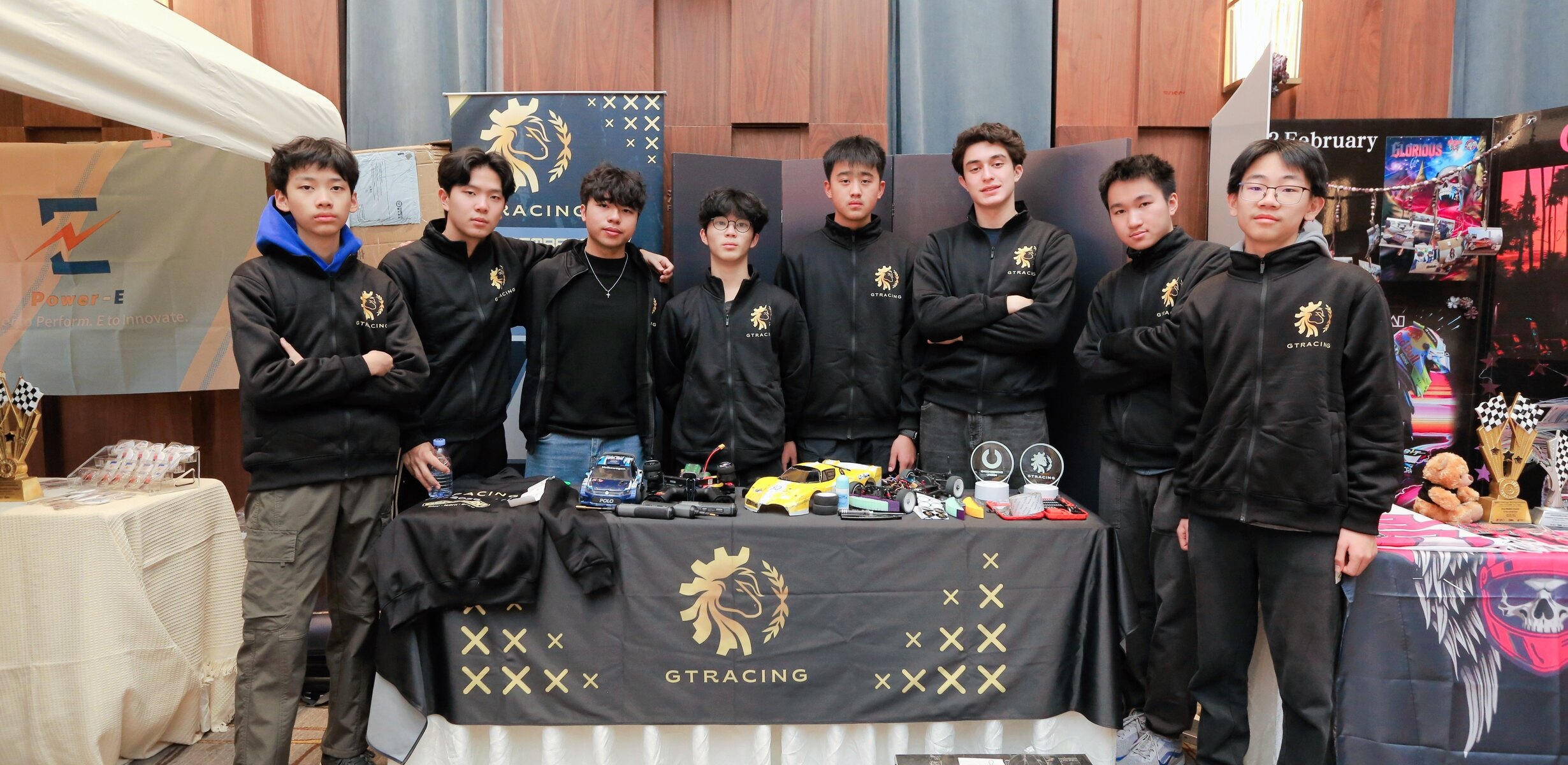
Competition cars, prototype parts, design work, and awards share one table—five departments presented as one engineering program.
Each department owns a different failure mode.
The five departments are not parallel clubs. Race behavior becomes an engineering problem; engineering constraints shape R&D; business secures the time and parts; Design & PR makes the result understandable; new attention brings the next members in.
- 01
Race Team
Uses simulated driving, lap data, setup work, and repair to turn track behavior into specific problems.
- 02
Engineering
Improves performance, maintains reliability, and strengthens the structure that must survive a full event.
- 03
Research & Development
Tests new technology, develops side projects, and explores ideas before they belong on the competition car.
- 04
Management & Business
Connects finance, sponsorship, logistics, organization, and team leadership to the technical roadmap.
- 05
Design & PR
Makes the work legible through livery, social media, presentations, branding, and the team’s public identity.
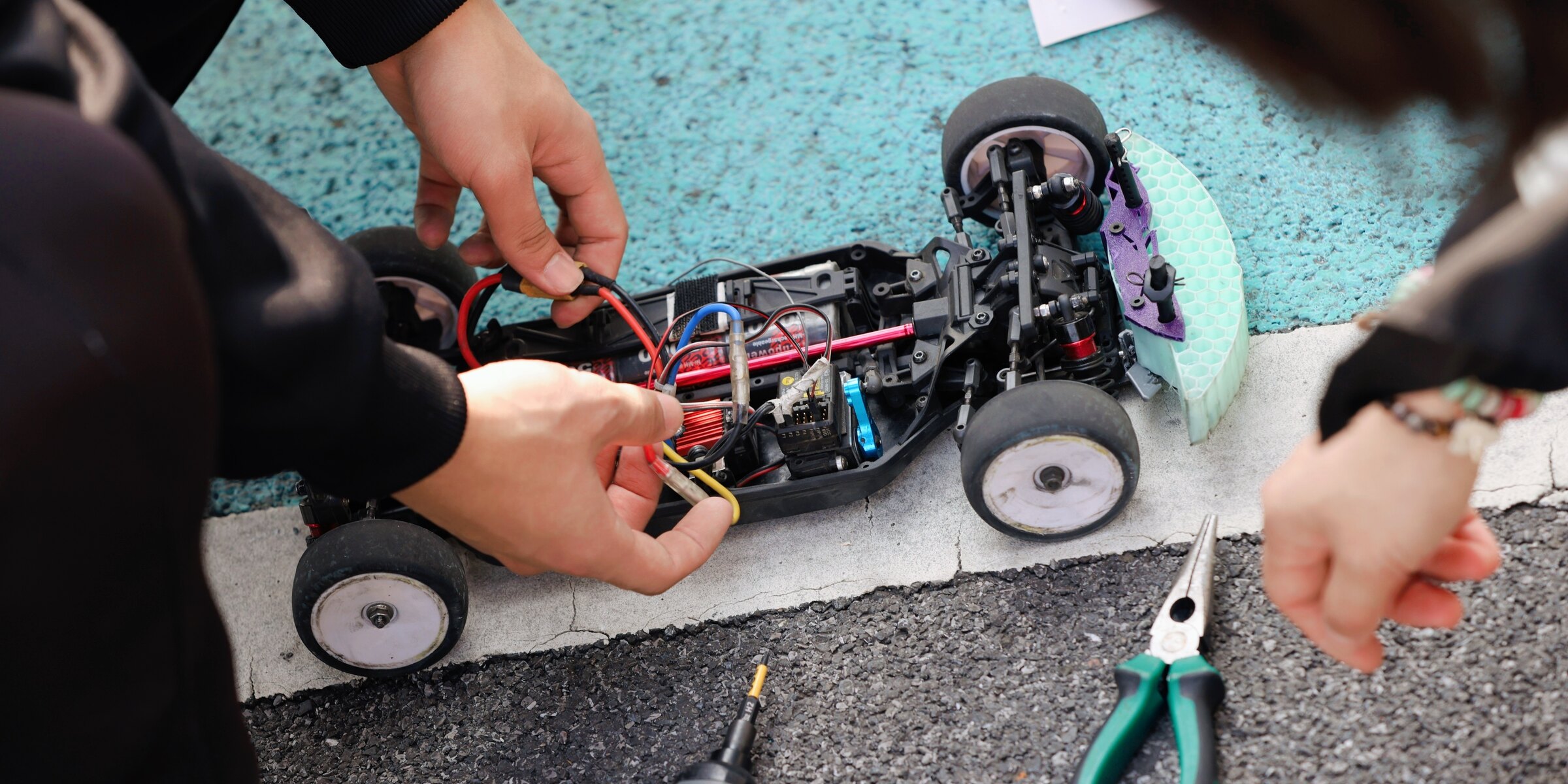
One trackside problem pulls together driver feedback, mechanical diagnosis, parts, tools, and a decision about what can change before the next run.
Ideas move from failure to prototype to competition.
The 2025–26 program documents three projects that could not have belonged to one department alone: a collision bumper, a dual-motor drag platform, and a tyre traction additive.
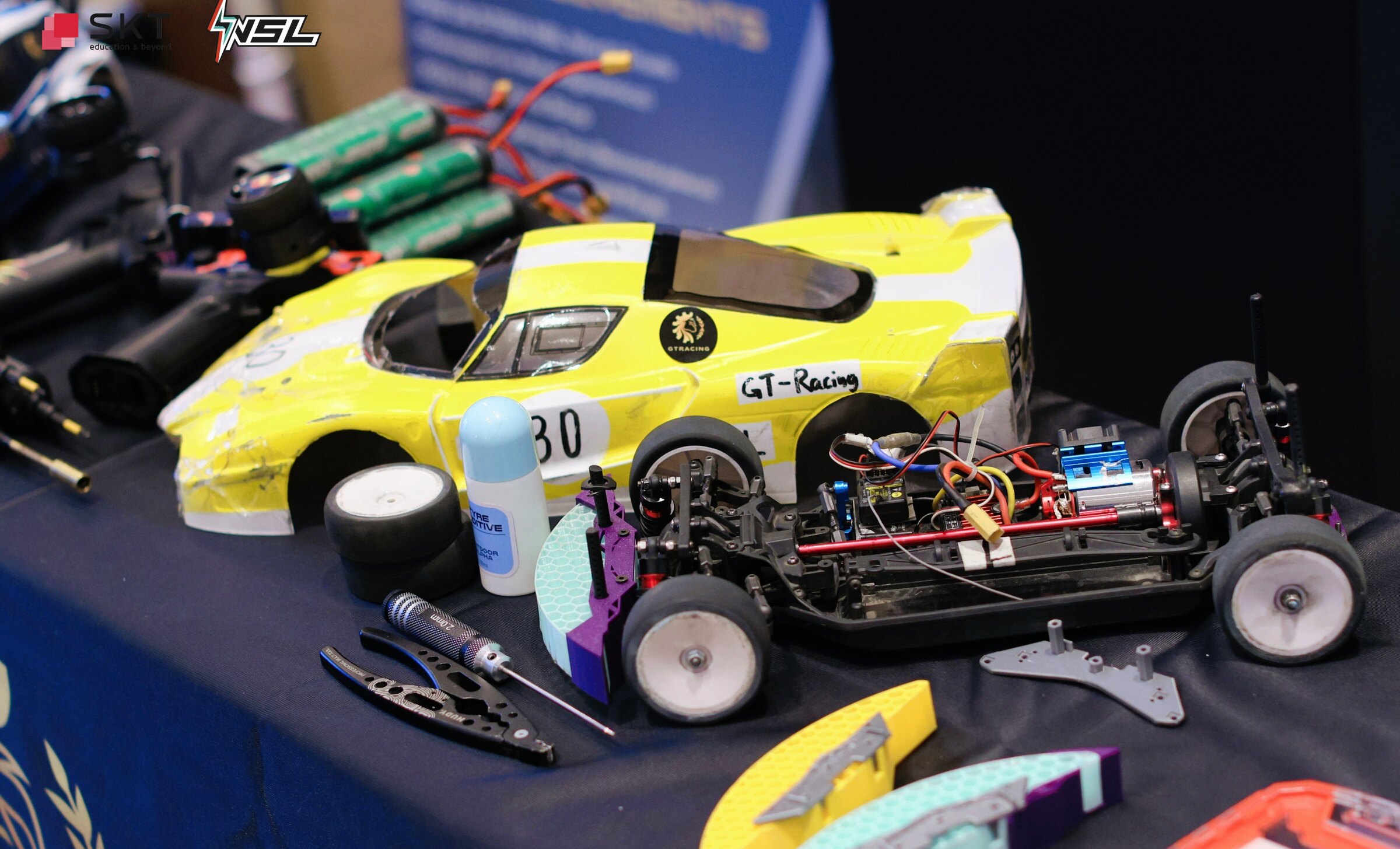
A race car, exposed chassis, tyre additive, printed bumper parts, and repair tools occupy the same table—the physical overlap between departments.
A useful prototype answers a race problem, survives contact with the track, and leaves enough evidence for the next iteration.
- 01
Improved collision bumper
After repeated high-speed damage, members analyzed bumper stress, designed supporting braces in Fusion 360, printed PLA parts, tested materials, and ran the improved design at NSL China 2026.
- 02
Scratch-built dual-motor drag car
Instead of making another small adjustment to a common platform, the team designed the chassis and internal motor support from scratch. The business deck reports a significant acceleration improvement.
- 03
Tyre traction additive
Chemistry and physics shaped the formula; engineering tested its usefulness; business considered cost; and Design & PR built the product identity. One small bottle required four departments.
- 04
One repeatable method
Each project starts with a visible failure, moves through design and testing, returns to competition, and is then documented and explained so the next team can improve it.
A strong season should make the next one easier.
With experienced members graduating, the club paired younger members with older ones and built an internal engineering wiki. Documentation supports the handover; live work at the car makes the knowledge usable.
- 01Pair across grades
- 02Teach on live cars
- 03Document the why
- 04Store it in the wiki
- 05Transfer ownership
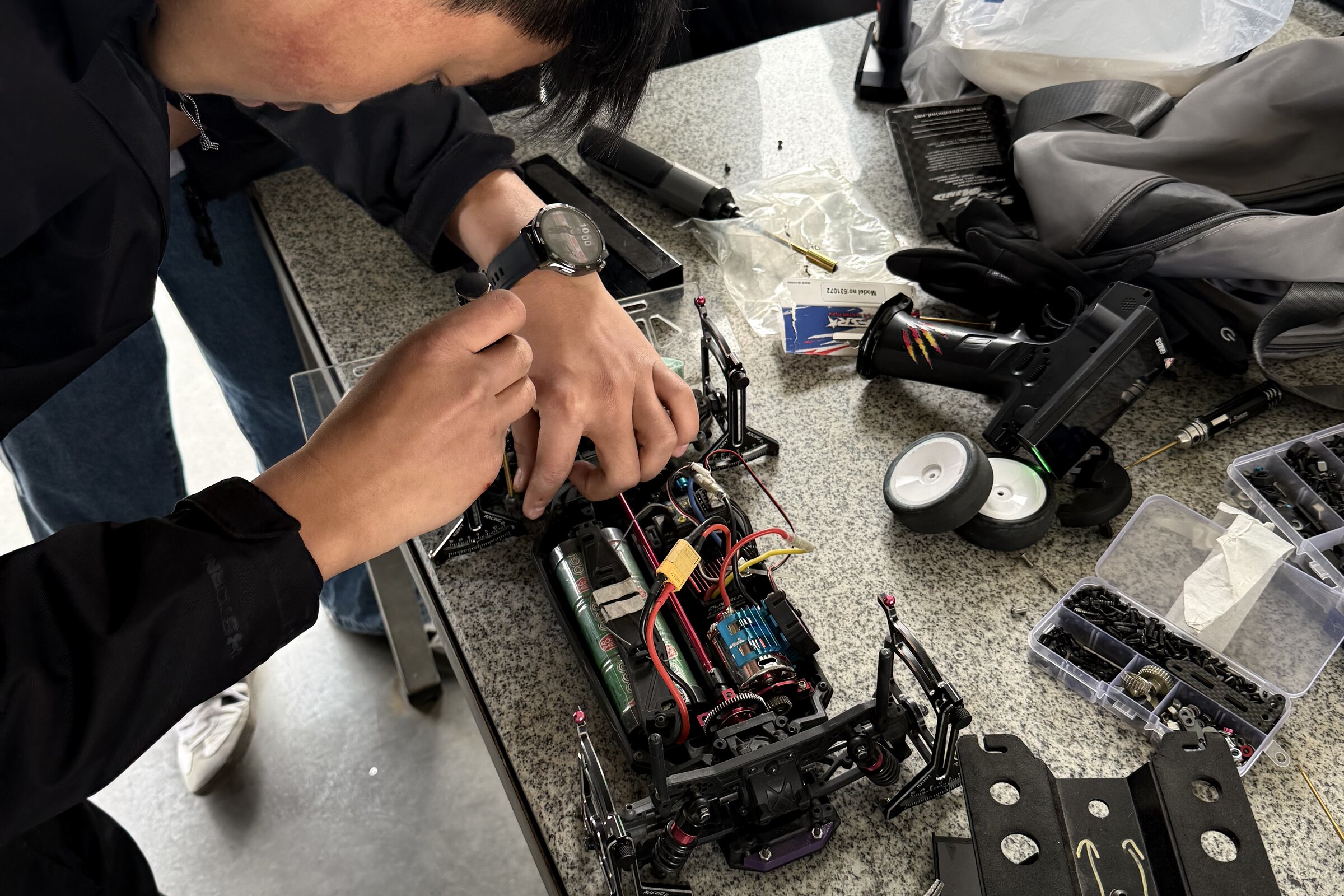
A member traces a setup issue with the working car, parts, and tools together. The wiki supports this moment; it does not replace it.
The club has to explain engineering beyond the track.
Public education, cross-club collaboration, sponsorship, and financial planning are not decoration around the engineering. They determine who can enter the community and whether the next project has the resources to exist.
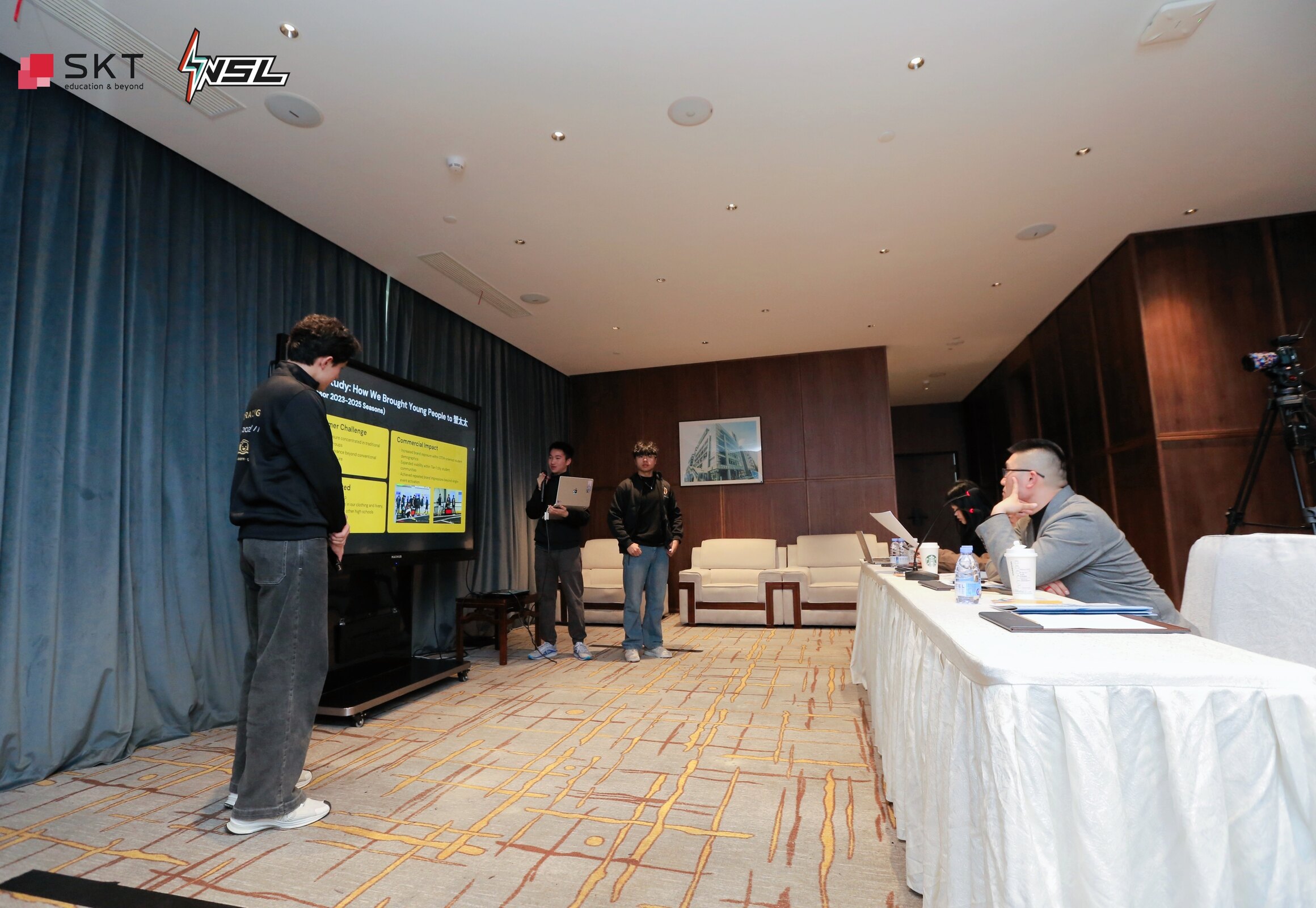
Members connect technical projects to audience, sponsor value, finance, and the next-season roadmap in front of competition judges.
Publish the mechanics, not only the result.
The deck reports more than 3,000 views and follows across articles about racing, tournaments, and mechanics.
Create a place for other clubs to race.
GT Racing hosted the first XTT Cup at RCI Shanghai, using competition to connect multiple student communities.
Make technical education cross-disciplinary.
Workshops and lectures with other STEM clubs extend engineering education beyond the members who already chose racing.
Put resources behind the technical priorities.
Two main sponsors and school scholarship support fund the program; roughly 90% of documented expenses went to engineering.
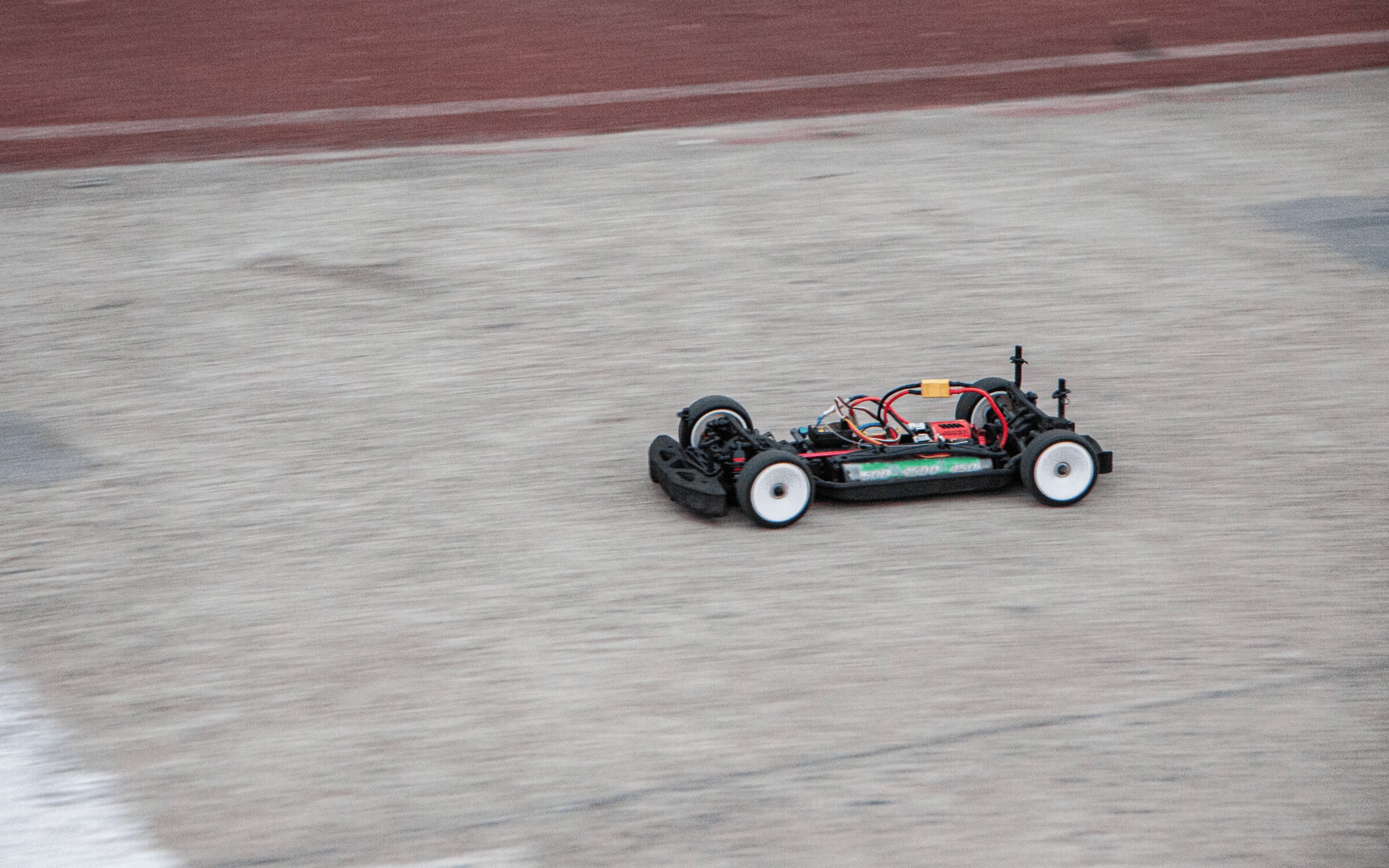
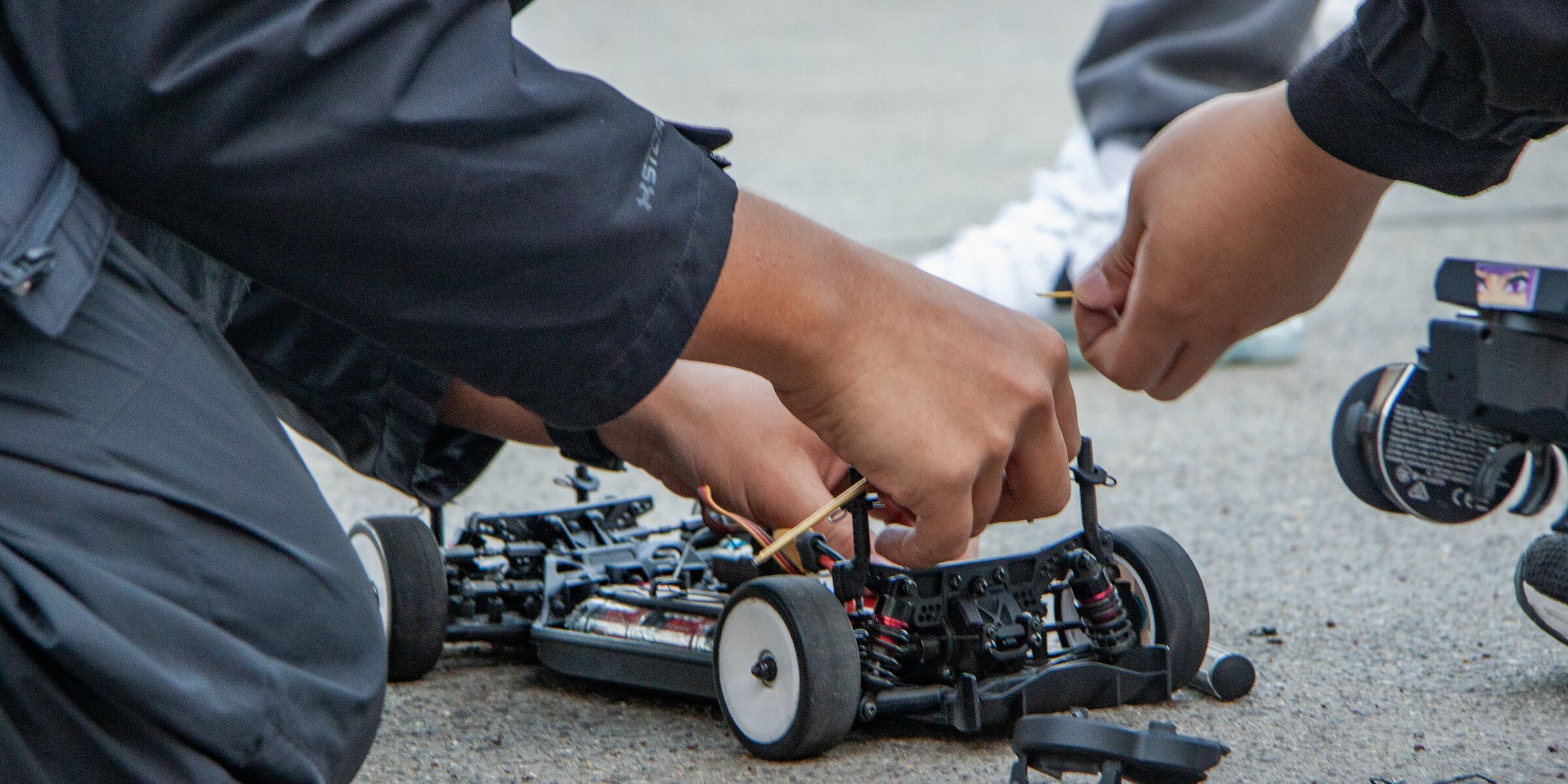
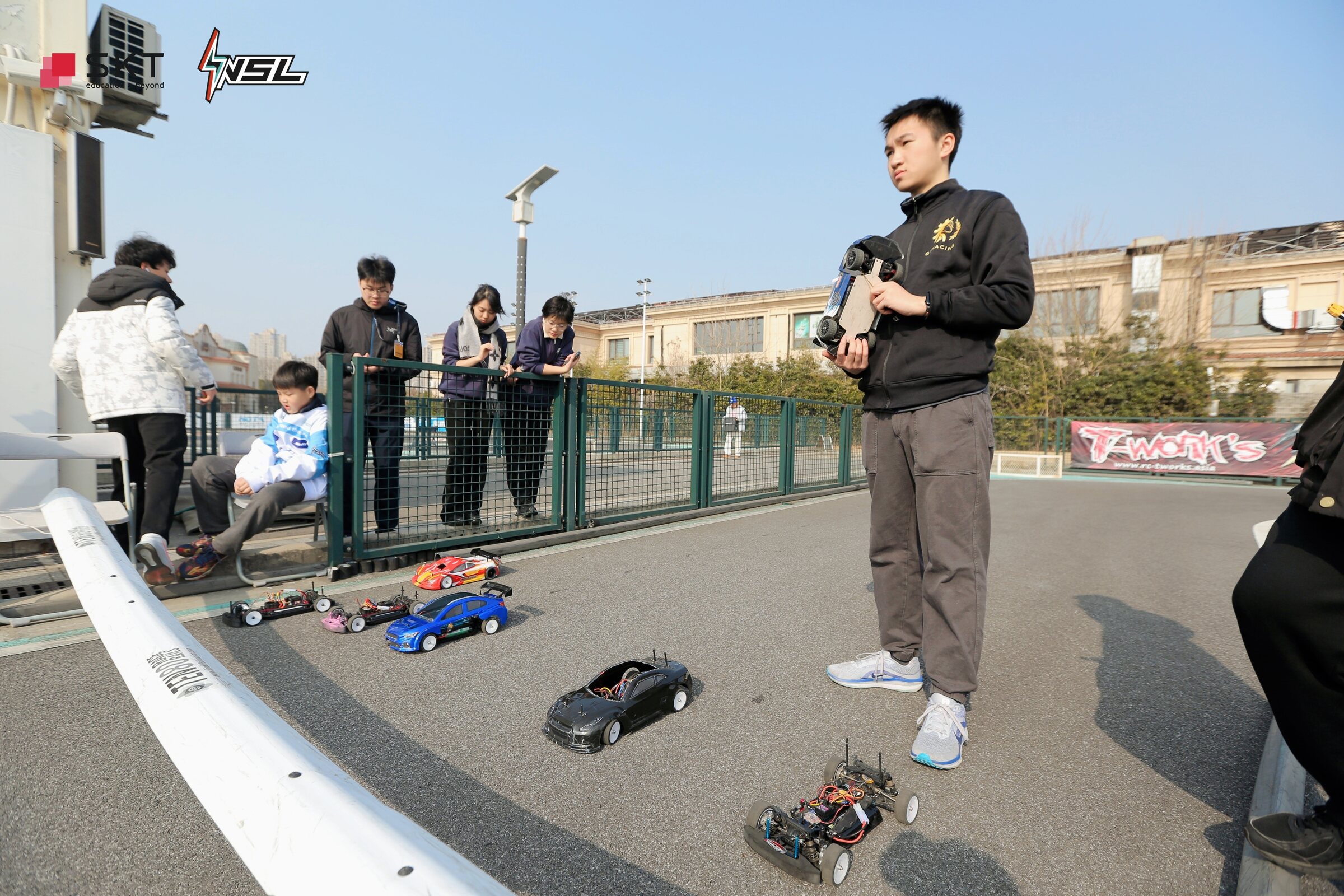
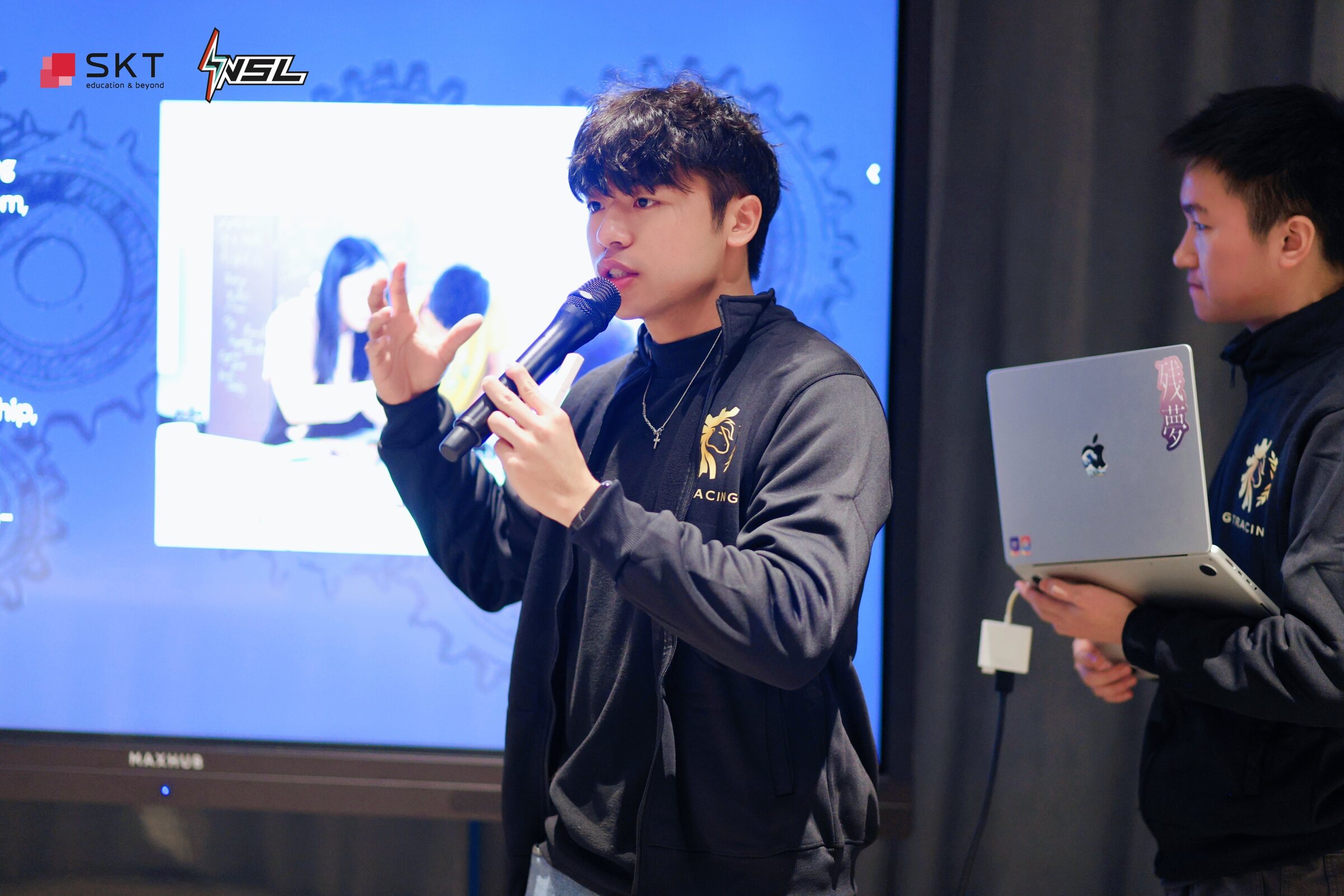
The car is the test. The club is the project.
GT Racing works when competition performance, technical experimentation, knowledge transfer, education, and business reinforce one another. No department is support staff; each changes what the whole team can build or sustain.
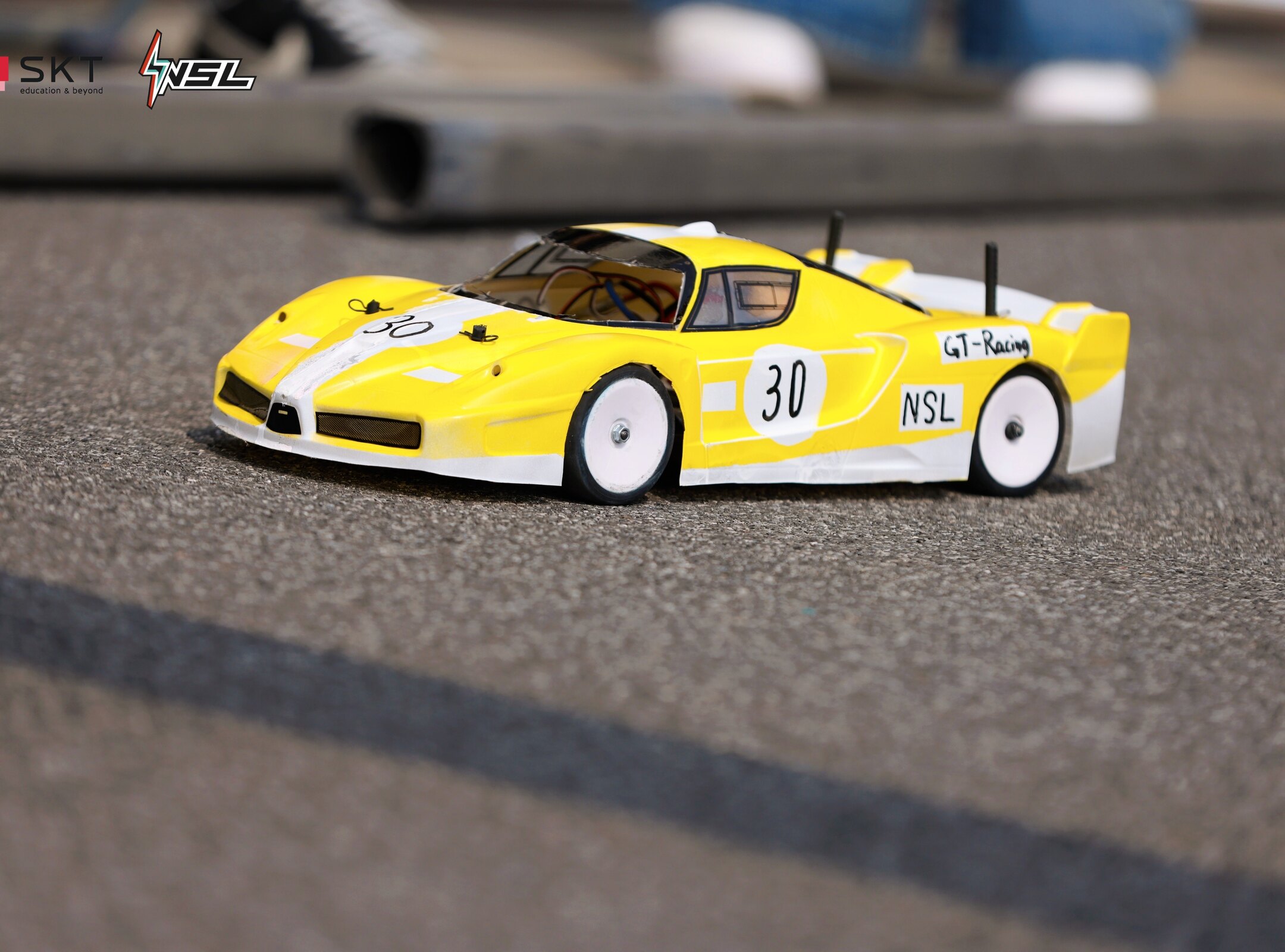
The finished car compresses driver feedback, mechanical work, experiments, budgeting, livery, and public explanation into one object.
My role as president and team principal sits at the interfaces: data must reach engineers, prototypes must answer race needs, budgets must follow priorities, and public claims must match the work.
A team does not become coherent because everyone does the same job. It becomes coherent when each person can see how their decision changes somebody else's next one—and when the system keeps working after any single member leaves.